

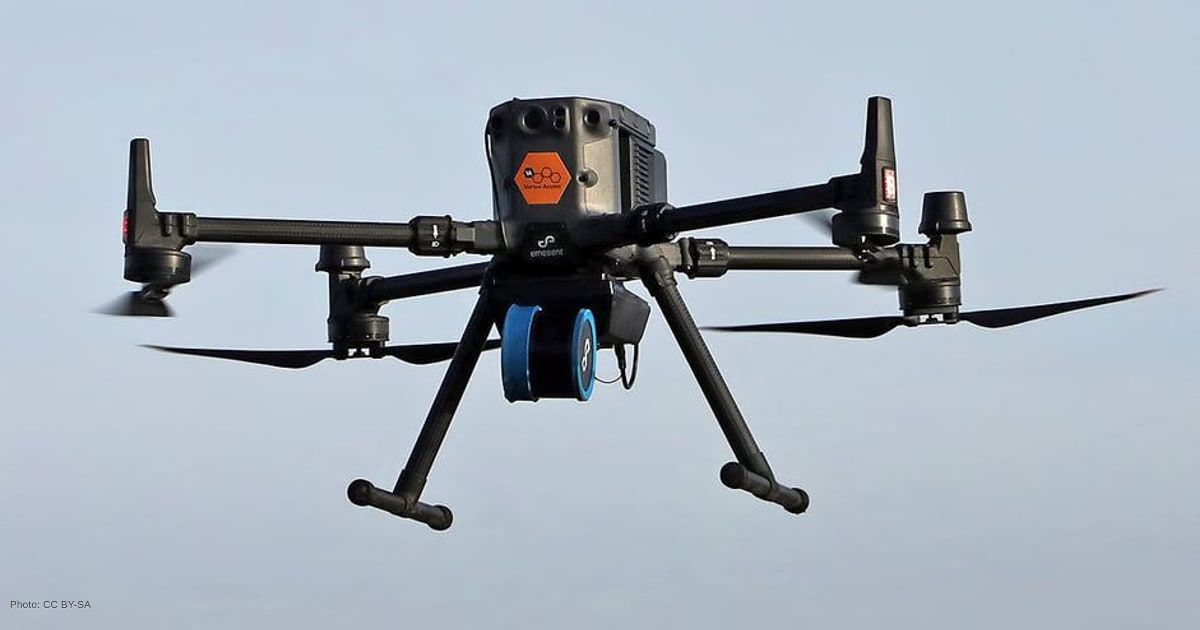
Europe’s defence conversation is no longer just about tanks, jets, or troop numbers. It is about speed: how quickly forces can see threats, process data, and respond before an adversary moves again. Drones and AI are pushing that question from strategy papers into live procurement decisions.
For Britain and its European partners, the stakes feel close to home. Ukraine has shown that cheap unmanned systems can reshape the cost of the battlefield. Now, Europe’s defence innovation agenda is trying to turn that lesson into sharper readiness, stronger deterrence, and more resilient forces before the next security crisis arrives.
Key Takeaways
Europe is accelerating its defence technology development, particularly in AI-powered drones, to enhance battlefield speed and readiness in response to evolving security threats.
- European nations are increasingly investing in defence projects focused on artificial intelligence, cyber defence, and drones, recognising the need for rapid technological adoption to counter modern threats.
- Artificial intelligence is being integrated into defence systems to process vast amounts of data from various sources, enabling faster threat detection and more informed command decisions, thereby acting as a combat multiplier.
- The focus is shifting towards scaling AI-powered drone capabilities through robust manufacturing, resilient supply chains, and operator training, while maintaining ethical considerations and public trust.
Why Europe is moving at wartime speed
The clearest signal is money. In April 2026, the Commission selected 57 defence projects worth €1.07 billion, or roughly £923 million. The portfolio covers artificial intelligence, cyber defence, drones, and counter-drone systems. It supports readiness flagships, including drone and space protection.
That followed the Commission’s AGILE proposal, a £99.22 million programme designed to accelerate the transfer of disruptive defence technology from laboratories to the field. Together, they show a shift from discussing innovation to funding tools that can reach operators more quickly and safely.
Small unmanned systems have exposed a brutal imbalance. A drone can be cheap, replaceable, and difficult to stop, while the missile used to destroy it may cost far more. European forces are treating scale, software, and rapid manufacturing as strategic necessities rather than optional upgrades. Procurement speed is becoming a defence capability in its own right, especially as allies prepare for threats across Europe’s borders, skies, and sea lanes.
AI is becoming the new combat multiplier
Speed does not just come from buying more drones. It also comes from making sense of what those drones, sensors, and networks collect. AI in defence systems is valuable because modern operations generate too much information for human teams to assess alone at operational pace.
Drone video, radar tracks, satellite imagery, cyber alerts, and logistics data can arrive simultaneously. AI tools can help classify objects, highlight anomalies, and support faster command decisions during complex missions, while keeping human judgement in the loop.
For drones, the promise is practical rather than magical. AI may support navigation, image recognition, coordination, and resilience against jamming, but performance still depends on testing, communications, training, and battlefield conditions. That is why Europe is investing not only in drones, but also in counter-drone detection, secure data links, and command software. The contest is becoming as much a software race as an airframe race.
The European Defence Agency’s work on autonomous systems spans land, air, maritime, and cross-domain operations. NATO also lists artificial intelligence and autonomous systems among technologies reshaping allied operations. In that context, autonomous defence systems should be understood as tools for extending reach and reducing exposure, not as a licence to remove accountability.
Scaling AI-powered drones without losing trust
The next challenge is scale. Prototypes impress investors, but deterrence depends on reliable production, trained operators, resilient supply chains, and shared standards. Britain and its European partners will need procurement systems that can learn quickly without sacrificing safety, the law, or public trust.
A network of drones, sensors, and AI-supported command tools could help spot hostile aircraft, monitor sea lanes, or support troops near a border before danger becomes disaster. Used carefully, AI can shorten warning times and help commanders make better choices as threats move faster and more cheaply this decade.
Europe’s defence tech race is therefore not about replacing human courage with code. It is about giving service personnel clearer information, stronger protection, and better tools for uncertain missions. If leaders keep urgency tied to accountability, AI-powered drones can help Europe grow into a more resilient, more capable, and more trusted defence force for the decade ahead.