

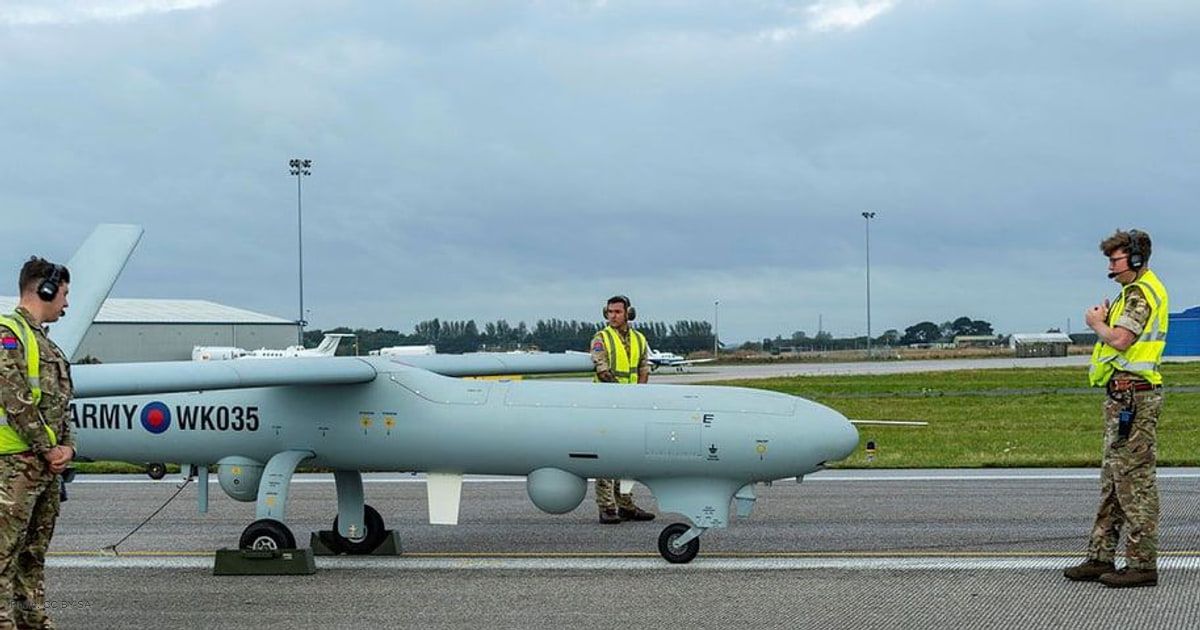
European defence is shifting from policy promises to practical technology. The change is being driven by lessons from Ukraine and a wider threat picture: cheap drones can alter the cost, speed and pressure of modern conflict. For Britain, this is not some distant Brussels policy. It is about how Europe protects critical infrastructure, NATO facilities, military sites and public safety.
The new defence race is not only about bigger budgets. It is about smarter autonomous systems that can detect, track and defeat drone threats before they reach protected sites in crowded skies.
Key Takeaways
Europe is accelerating its defence capabilities, prioritising AI and autonomous systems, particularly for counter-drone operations, driven by lessons from the conflict in Ukraine.
- The proliferation of cheap and disruptive drone technology has necessitated a rapid shift in European defence strategy, focusing on AI-powered autonomous systems for detection and interception.
- European nations are investing in integrated, layered defence systems that combine various technologies, including radar, sensors, and electronic warfare, to counter drone threats effectively and sustainably.
- The advancement of European defence technology is increasingly reliant on collaboration between established companies and innovative start-ups, aiming to reduce dependence on overseas suppliers and enhance interoperability with NATO.
Why Europe is moving faster on defence AI
A simple battlefield reality is shaping Europe’s latest push: drones are cheap, visible and disruptive. A small uncrewed aircraft can force an expensive response, expose weak air defences and stretch commanders trained for a slower fight. That imbalance has made counter-drone systems a priority rather than a specialist add-on for governments now planning under pressure.
The European Commission’s 2026 defence announcements point to this change. EU defence funding is now helping direct investment towards projects covering artificial intelligence, drones, cyber defence and counter-drone systems. That matters because the funding helps move advanced defence technology closer to practical capability, not just laboratory promise.
This funding push also reflects a strategic goal. European governments want tools that remain compatible with NATO, support Ukraine, and, where possible, reduce dependence on overseas suppliers. In this environment, AI is not a slogan. It is becoming the nervous system of shared national defence.
AI-powered counter-drone systems take centre stage
The most urgent work is happening in detection and interception. Drone warfare technology has made the air above cities, ships and forward bases more crowded and harder to police. Traditional missiles can defeat some threats, but using very expensive interceptors against low-cost drones is not a sustainable model. Europe is therefore looking for layered defences: radar, sensors, electronic warfare, command software and cheaper effectors working together across borders at meaningful scale.
Recent moves show the market is changing. NATO has selected counter-drone systems to protect its headquarters in Brussels. Airbus has also moved towards cooperation with France’s Alta Ares, a company focused on AI-enabled drone interception. These examples suggest that Europe’s defence giants are no longer treating start-ups as side projects. They are becoming part of the continent’s main industrial response, learning from Ukraine.
AI earns its place inside the counter-drone network. The system must quickly identify small objects, separate hostile drones from harmless traffic, and recommend a response within seconds. Operators still need human judgement, especially when they use force. But swarms, decoys and fast-moving data can overwhelm them without automation. Europe must keep people in command while building systems fast enough for the fight ahead.
The next leap must be built, not announced
Europe’s opportunity is real, but it is not guaranteed. Funding rounds, action plans and accelerator programmes only matter if they lead to equipment that soldiers, police and infrastructure operators can use. The next test is speed: whether good prototypes become reliable tools before threats evolve again in crowded skies.
For Britain and its European partners, the direction is clear. Drone warfare technology is forcing defence to become more digital, distributed and responsive. Counter-drone systems will sit at the centre of that shift, protecting forces and critical sites from threats that are cheap to launch but costly to ignore and difficult to attribute.
The key lesson is not fear. It is preparation. Europe’s defence tech leap will matter most if it turns urgency into shared capability, human oversight and resilient security for the decade ahead. The real growth will come when Europe converts innovation into readiness, and readiness into lasting strategic strength.
Comments
One response to “Europe’s Defence Tech Leap Puts AI and Autonomous Systems in the Spotlight”
[…] five EDPCIs address some of Europe’s most demanding defence priorities. They cover unmanned and counter-unmanned systems, maritime and seabed security, space-based capabilities, early warning and air/missile defence, and […]