

Europe’s military autonomy push is no longer an abstract debate in Brussels or Berlin. It is being tested in factories, software labs, and venture capital meetings, where the next generation of defence capability is starting to take shape.
One clear signal comes from ARX Robotics, the German company building autonomous ground vehicles and military AI systems. Its €31 million, or roughly £26.8 million Series A funding round, is more than a startup milestone. It shows how capital, technology, and strategy are converging around military autonomy in practical terms across Europe.
Key Takeaways
Europe’s push for military autonomy is gaining momentum with significant funding for defence technology startups, highlighting a strategic shift towards reducing dependence on external suppliers.
- ARX Robotics, a German defence technology company, has secured €31 million in Series A funding, demonstrating the convergence of capital, technology, and strategy around military autonomy.
- The surge in funding for European defence tech startups reflects a strategic reassessment post-Russia’s war in Ukraine and the need to enhance Europe’s autonomous defence capabilities while maintaining democratic control.
- European defence innovation is becoming more central, with policy instruments like the EU’s SAFE and NATO’s Defence Innovation Accelerator supporting urgent defence investment and integration with NATO allies.
A £26.8 million round with strategic weight
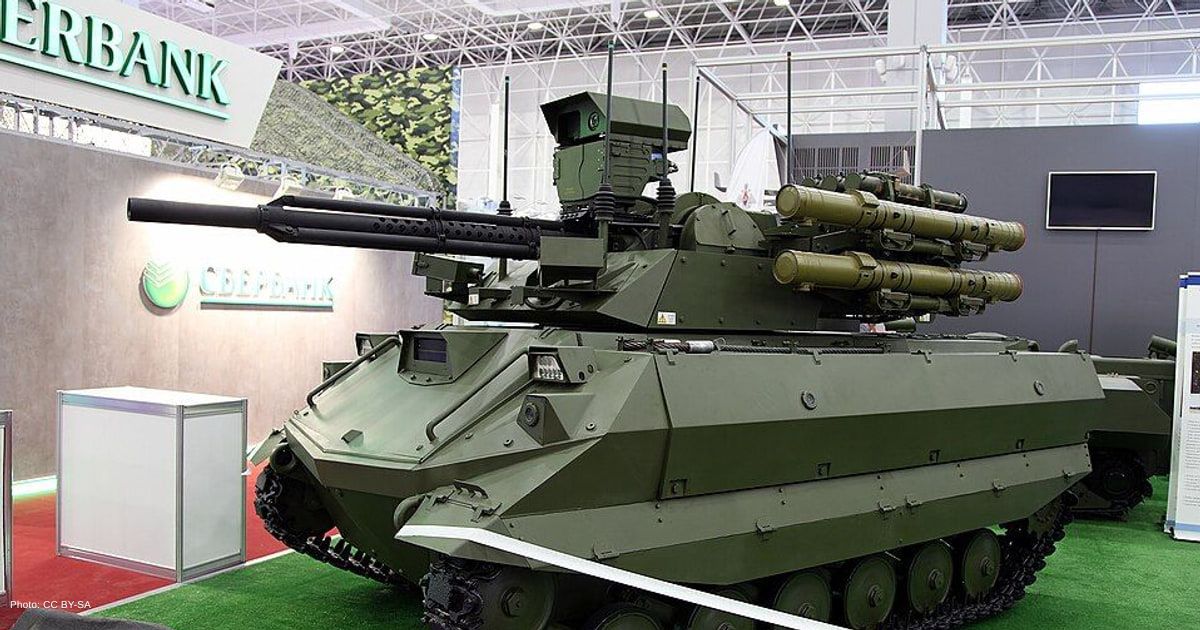
ARX Robotics has built its name around uncrewed ground vehicles, including the Gereon RCS series, and Mithra OS, an AI-driven platform designed to connect autonomous systems with existing military hardware. That mix is important. European armies do not need only futuristic equipment. They also need smarter ways to upgrade what they already own. That is a useful proposition for forces facing contested borders and a limited workforce in Europe today, too.
ARX Robotics’ £26.8 million Series A attracted lead backing from HV Capital, fresh support from Omnes Capital, and continued confidence from the NATO innovation fund and Project A. For a defence technology sector once viewed as too sensitive for mainstream venture capital, that mix of investors points to a market moving rapidly into the strategic mainstream.
It suggests defence technology is moving closer to the centre of Europe’s industrial strategy. ARX also stresses a European supply chain, which matters when governments are trying to reduce dependence on external suppliers for critical battlefield systems.
European defence tech moves into the mainstream
According to Dealroom and the NATO innovation fund, European defence, security, and resilience startups attracted record venture capital. This surge in funding reflects more than investor excitement.
It reflects a strategic reassessment after Russia’s war in Ukraine, drone-heavy combat, and pressure on ammunition stocks. It also speaks to renewed debate over Europe’s reliance on American protection. The aim is capability at scale, while keeping democratic control over defence priorities intact.
From a British perspective, the takeaway is practical. Military autonomy does not mean breaking with NATO. It means giving European allies more credible capability inside the alliance. Robotics, AI-enabled command systems, secure communications, and resilient supply chains are now central to that ambition. European defence tech is becoming a bridge between private innovation and public security.
Policy is also catching up. The EU’s SAFE instrument is designed to support urgent defence investment and strengthen Europe’s industrial capacity. NATO’s Defence Innovation Accelerator for the North Atlantic adds another layer by linking innovators with test centres, funding, and military end users. The challenge is pace. Startups can develop quickly, but defence procurement often moves slowly, with complex requirements and lengthy buying cycles.
From funding to real military autonomy
Europe’s military autonomy push will succeed or stall at the point where funding becomes real battlefield capability. Funding can start the engine. But procurement, testing, production, and deployment will decide whether new technology reaches soldiers when it matters.
ARX is not a complete answer to Europe’s defence challenge. No single company could be. Yet its funding round captures a bigger shift in mood. Europe is beginning to treat defence innovation as a strategic necessity, not a niche market.
That shift should encourage policymakers, investors, and armed forces to move with greater urgency. The continent needs systems that can be built at scale, integrated with allies, and trusted in harsh conditions. If Europe turns this capital into capability, military autonomy will become more than an ambition. It will become a source of readiness, resilience, and shared strength for NATO, Europe, and Britain.