

Across Europe, defence innovation is entering a new phase. The race is no longer only about building a better drone, radar, ship, or satellite. The real test is whether these systems can sense, share, decide, and act together when the pressure mounts.
That is why European defence tech is moving deeper into multi-domain operations. From NATO doctrine to EU readiness initiatives, the direction is clear. Future security will depend on data, interoperability, and technologies that link air, land, sea, cyber, and space at the pace modern threats demand.
Key Takeaways
European defence tech is evolving towards multi-domain operations, integrating air, land, sea, cyber, and space domains to enhance security and response times.
- Multi-domain operations are essential due to the increasing complexity and interdependence of threats across various domains.
- The European Commission’s Readiness Roadmap 2030 emphasizes initiatives like the European Drone Defence Initiative and European Space Shield, highlighting the central role of drones and data.
- Collaboration among European countries and industries is crucial for turning defence experiments into operational capabilities, ensuring faster warning and stronger deterrence.
Multi-domain operations now define defence innovation
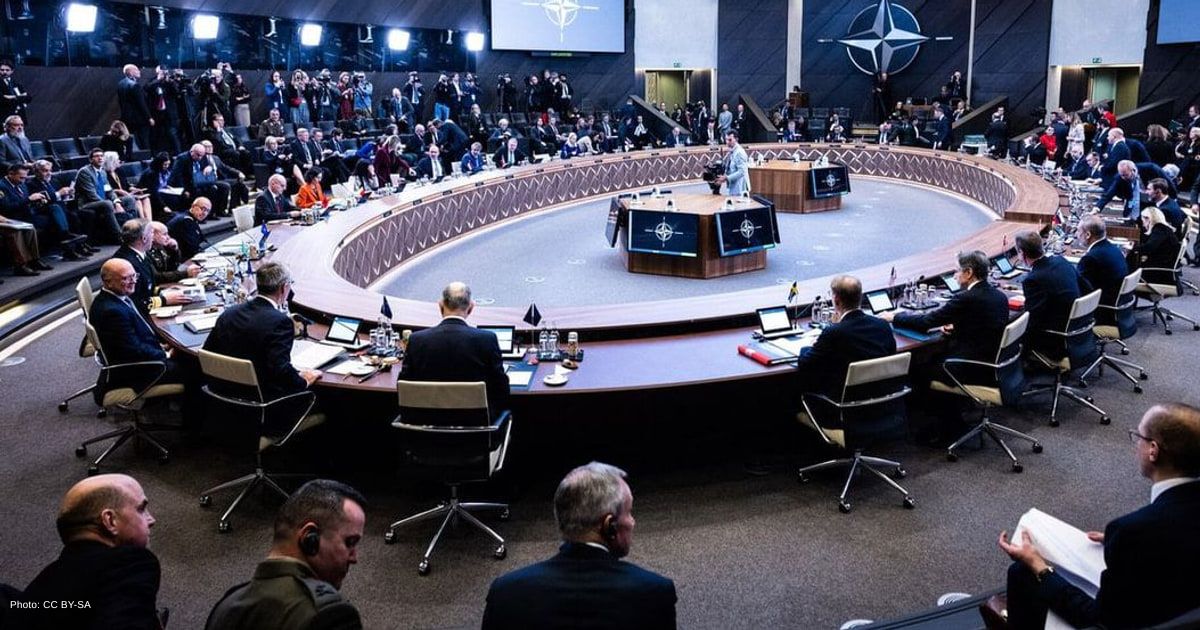
Multi-domain operations matter because Europe’s threat landscape has become more layered. A hostile drone, a disrupted port system, a jammed signal, and a satellite warning can be part of the same incident. NATO recognises space as an operational domain alongside air, land, maritime, and cyberspace, which makes integration a practical necessity, not just a catchphrase.
For European planners, the challenge is to shorten the time between detection and response. Sensors must feed command networks. Command networks must share usable data. Operators must see the bigger picture before separate threats become one crisis.
Technology hubs and defence firms are gaining importance because Europe needs connected, interoperable defence systems that can operate across several domains. Their work is less about stand-alone inventions and more about trusted systems that can communicate, adapt, and support decisions across military and civilian contexts.
In Britain, the move towards interoperable European defence systems matters because regional security increasingly depends on allied technologies working seamlessly together under pressure, reliably and at pace.
Drones and data are driving Europe’s defence shift
The European Commission’s Readiness Roadmap 2030 gives this shift a sharper policy framework. Its flagship proposals include the European Drone Defence Initiative, Eastern Flank Watch, the European Air Shield, and the European Space Shield. Together, they point to a defence model built around surveillance, air defence, space resilience, and faster collective awareness.
Drones are at the heart of that change. Drone warfare technology has demonstrated how low-cost platforms can test expensive defences, expose gaps in coverage, and force rapid adaptation. That is why counter-drone systems are becoming a strategic layer. They must detect, track, identify, and, where authorised, neutralise hostile drones without swamping command teams with noise.
Civilian infrastructure also plays a key role. Ports, energy sites, logistics corridors, and emergency services all need robust autonomous systems. DronePort Rotterdam’s emphasis on uncrewed and autonomous technologies reflects that dual-use logic: tools proven for inspection, monitoring, or public safety can also inform defence readiness.
In multi-domain operations, the line between civilian resilience and military preparedness is no longer neat. The European Defence Fund reinforces the same trend, with recent backing for projects involving artificial intelligence, cyber defence, drones, and counter-drone technologies across member states and partners, securely at operational scale before 2030.
From experiments to Europe’s next security advantage
The next step is not simply increased spending. Europe must turn experimentation into a repeatable capability. That means common standards, secure data exchange, faster procurement, and closer collaboration between governments, industry, researchers, and front-line users.
Turning defence experiments into operational capability is no easy task. Defence innovation often stalls when promising systems confront regulation, legacy equipment, and fragmented national requirements. Yet those pressures also explain why European defence tech is becoming more collaborative. No single company or country can master every domain alone.
The opportunity is clear. If Europe connects its sensors, platforms, networks, and people, multi-domain operations can become a lasting security advantage. The result would be earlier warning, stronger deterrence, and better protection for citizens, allies, and critical infrastructure. For Britain and its European partners, modernising multi-domain defence is more than a security imperative. It is a growth path towards smarter industries, stronger alliances, and a more resilient future.